
DISADVANTAGED GROUPS AND THE IMPACTS OF THE CLIMATE CRISIS
Although climate change is a global phenomenon, its effects are not evenly distributed. For millions of people, the climate crisis is not just an environmental change; it is also a profound It is a social and economic emergency..
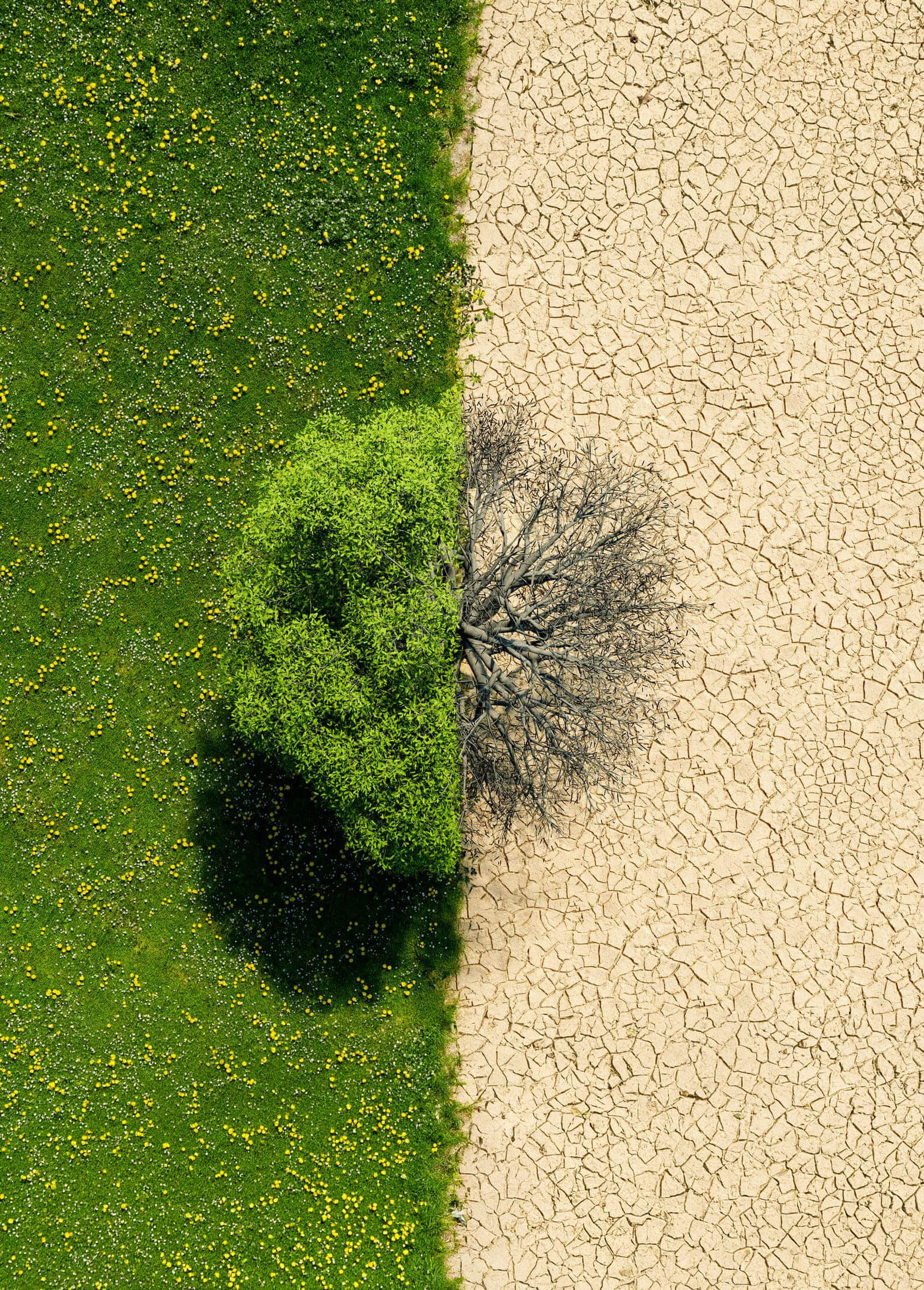
This burden is felt more heavily by segments of the population already struggling with issues such as poverty, discrimination, and limited access to basic services.
climate change is a risk multiplier it functions as an amplifier, exacerbating existing vulnerabilities such as housing insecurity and food shortages. It makes visible structural weaknesses within our societies, turning manageable problems into life-altering catastrophes.
Climate Change and Unequal Impacts
The relationship between climate change and inequality is striking. Research consistently shows that those least responsible for global emissions are the ones most affected by the consequences of the climate crisis.
World Inequality Lab verilerine göre, dünya nüfusunun en alt %50’lik kesimi toplam emisyonların yalnızca %12’sinden sorumluyken, iklim değişikliğinin yol açtığı göreli gelir kayıplarının %75’ini yaşamaktadır.
This imbalance forces communities with the lowest carbon footprints to bear the highest costs of environmental devastation a fundamental injustice It reveals.
Communities at Highest Risk
Low-Income Households and Urban Heat
Financial constraints force many families to live in high-risk areas such as floodplains or urban heat islands. The World Bank predicts that climate change will, by 2030, cause could push an additional 100 million people into extreme poverty predicts.
In the United States in 2020 Nature Communications a report published in the journal found that surface temperatures in neighborhoods that historically experienced racial redlining were higher compared to wealthier, non-redlined areas Up to 12°C higher has demonstrated that.
Women and Girls
Social and cultural barriers significantly increase the risks that women face during climate disasters. Statistics show that in environmental disasters, women and children are disproportionately affected compared to men 14 times higher risk of death shows that it can carry.
This situation is mostly:
Unequal access to information,
Limited control over financial resources,
Societal expectations for women to stay behind to care for children or the elderly during evacuations
is due to the following reasons.
According to UNICEF, approximately 1 billion children, live in countries facing severe water scarcity. This burden often falls on the shoulders of girls, who have to carry water for miles, causing them to fall behind in their education.
Labor and the Global Economy
Rising temperatures are having serious physical effects on workers who work outdoors. As heat increases, labor productivity declines, and this situation is projected to cost the global economy by 2030 2.4 trillion dollars annually is expected to cause losses.
This impact is particularly concentrated in poorer regions where sectors such as agriculture, construction, and waste collection are prevalent. However, even in the most affected areas, mandatory rest breaks and cooling spaces are still not widespread.
The Elderly and Medical Frailty
Extreme temperatures are a leading cause of death for the elderly population. During the 2022 European heatwaves Over 60,000 temperature-related deaths recorded, and the vast majority of these occurred among individuals aged 65 and over.
During crises, healthcare infrastructure often fails to protect these groups. For example, an assessment by Harvard following Hurricane Maria's impact on Puerto Rico in 2017 found that approximately 3,000 people died and revealed that the deaths were largely due to the collapse of the electricity and healthcare systems. These systems were vital, especially for elderly individuals undergoing dialysis treatment and dependent on temperature-sensitive medications.
Indigenous Peoples
Indigenous communities are responsible for about %80’inin koruyuculuğunu they are bearing the brunt. Despite their extremely limited contribution to global warming, they are on the front lines of the crisis.
Thawing permafrost in northern regions is destroying roads and homes, while changing caribou migration routes threaten traditional hunting methods crucial for food security.
FINANCIAL TRANSFORMATION
Bilgiye erişim ve finansal koruma, hayatta kalma oranlarını doğrudan etkilemektedir. Washington Üniversitesi’nin 2023 yılında yayımladığı araştırmaya göre, Kaliforniya’daki orman yangınları sırasında İngilizce yeterliliği sınırlı olan kişilerin yalnızca %57’si acil tahliye mesajlarını alabilmiştir.
Similar disparities are seen in the financial sector. As private insurance companies withdraw from high-risk flood areas like the Louisiana coast, property values are rapidly declining; meanwhile, low-income residents are essentially trapped in depreciating neighborhoods, unable to afford to move or rebuild.
Climate awareness and the necessity of justice
A global climate strategy that does not prioritize disadvantaged groups is not sustainable. According to OECD data, although many countries include vulnerable communities in their strategy documents, less than a fifth of them actually integrate equity indicators into their financial planning.
To build a truly resilient future, international policies must be based on the following priorities:
Directing adaptation resources to high-risk and low-income communities
Implementation of inclusive disaster management protocols that consider all physical abilities, age groups, and language differences.
Protection of the dignity and legal rights of individuals displaced due to environmental degradation
RESULT
Climate change targets structural vulnerabilities. It punishes poverty and exclusion. If we address this crisis solely as a technical or scientific problem, the solutions we produce will be incomplete. We must view climate action from the perspective of social and economic justice.
The defining question of our age is this: will the transition to a sustainable world be inclusive for all, or will inequality become the lasting legacy of the climate crisis?
A just transition doesn't just mean reducing emissions. It also means protecting communities living in insecurity, with limited access to services, and who are poorly represented.
This means designing climate and social policies that do not increase dependence on dirty energy, do not leave workers unemployed, and do not leave disadvantaged communities behind without sufficient support.
If we disregard the most vulnerable segments, the transition process will be weak and fragile; it will even create new forms of inequality. Policies for disadvantaged groups are the fundamental element that determines whether climate actions taken will actually work in real life.
If the steps taken are decisive and inclusive, social trust will strengthen; as trust strengthens, the steps taken will become more solid and effective.